
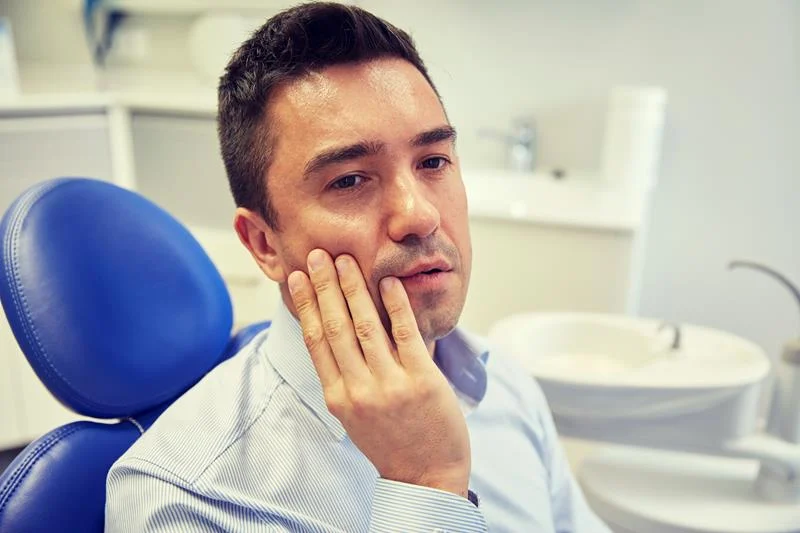
Stop the Throbbing Pain and Keep Your Natural Tooth
When decay or bacteria reach the soft pulp inside a tooth, the nerve becomes inflamed or infected, and the pain can be hard to ignore. Because the damage happens inside the tooth, you may not see it, but you may feel a deep ache, notice swelling or bleeding near the gums, or have a bad taste that won’t go away. At Galdiano Dentistry in Oceanside, CA , a root canal removes the infected tissue, relieves the pain and lets you keep the tooth you already have instead of losing it.
Request an AppointmentWhy a Root Canal May Be the Right Choice
Every tooth has a hollow space in its center that holds the pulp, a bundle of nerves, blood vessels and connective tissue. When a deep cavity, a crack or repeated dental work lets bacteria into that space, the pulp can become infected. Left untreated, the infection can spread to the bone around the root, form an abscess and eventually cost you the tooth. A root canal clears out the infection while keeping the outer structure of the tooth in place, so you can keep chewing and smiling naturally.
Root canal therapy is one of the most common treatments in restorative dentistry. It often follows untreated tooth decay, but it can also be needed after an injury or when a cracked tooth exposes the nerve. For a broader look at care inside the tooth, visit our endodontics page.
Signs You May Need a Root Canal
- Persistent or throbbing toothache, especially when chewing or biting
- Lingering tooth sensitivity to hot or cold that stays after the food or drink is gone
- Swelling or tenderness in the gums near one tooth
- A small pimple-like bump on the gums that may drain
- Darkening or graying of a single tooth
- Bad breath or a bad taste that doesn’t improve with brushing
Some infected teeth cause no pain at all and are found during a routine visit. That’s one reason regular cleanings and exams matter, along with digital X-rays that show what’s happening below the surface.
What Happens During Treatment
Your visit begins with an exam and X-rays so we can see the shape of the roots and the extent of the infection. We numb the area thoroughly so you stay comfortable. Then we make a small opening in the top of the tooth, gently remove the infected or inflamed pulp, and clean and shape the canals. Once the canals are disinfected, they are filled with a biocompatible material and sealed to keep bacteria out.
Most patients say the procedure feels much like getting a filling, and the relief from infection pain often begins soon after. If you feel nervous about dental work, read about how we help with dental anxiety and fear, and let us know so we can go at your pace.
Protecting the Tooth After a Root Canal
A tooth that has had a root canal can become more brittle over time, especially a back tooth that handles heavy chewing. In many cases we recommend a porcelain crown to cover and strengthen the tooth. For some front teeth, a composite filling may be enough to seal the access opening. With good brushing, flossing and regular checkups, a treated tooth can last for many years.
Root Canal vs. Extraction
Pulling an infected tooth may seem quicker, but losing a tooth can lead to shifting teeth, bite problems and bone loss in the jaw. Replacing it later with a dental implant or fixed bridge usually takes more time and cost than saving it. When a tooth can be saved, a root canal is usually the better long-term choice. If a tooth is too damaged to repair, we’ll talk with you about extractions and your replacement options.
If you’re in pain right now, don’t wait. Our dental emergencies page explains what to do, and you can learn more about root canal therapy and retreatment on our root canal therapy page. Questions about cost? Visit Payment, Insurance & Financing or call us at (760) 966-0800.
Root Canal Questions From Our Patients
Does a root canal hurt?
The area is fully numbed before treatment, so most patients feel pressure rather than pain. Many people say it feels similar to having a filling placed. The procedure is meant to relieve the pain caused by the infection, not add to it.
How long does a root canal take?
Most root canals are finished in one or two visits, each lasting about an hour to an hour and a half. Teeth with several roots, such as molars, may take longer than front teeth.
What does recovery feel like?
It’s normal for the tooth and gums to feel tender for a few days. Over-the-counter pain relievers usually handle this well. Avoid chewing hard foods on the treated tooth until the final crown or filling is placed.
Will I need a crown after my root canal?
Back teeth usually need a crown because they take the most chewing force and can become brittle after treatment. Front teeth sometimes need only a filling. We’ll recommend the best option after looking at how much healthy tooth structure remains.
Can I just have the tooth pulled instead?
Extraction is an option, but losing a tooth can lead to shifting teeth, bite changes and bone loss. Replacing a missing tooth with an implant or bridge often costs more than saving it. When the tooth can be saved, a root canal is usually the better choice.
What happens if I wait to get a root canal?
An infected tooth won’t heal on its own. The infection can spread into the jawbone, form an abscess and cause swelling. Waiting can also make the tooth impossible to save, so it’s best to schedule an exam as soon as symptoms appear.
Is a root canal covered by dental insurance?
Many dental plans cover part of root canal treatment. Our team can review your benefits with you and explain payment and financing options before treatment begins.
Get Relief From Tooth Pain Sooner
A toothache is your body’s way of saying something needs attention. The sooner an infected tooth is treated, the better the chance of saving it. Call Galdiano Dentistry at (760) 966-0800 or request an appointment online, and we’ll help you feel comfortable again.