
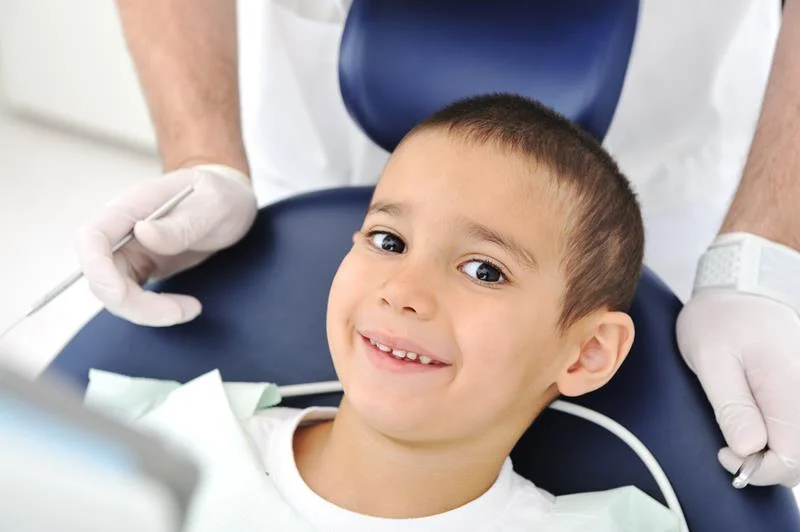
Healthy Habits Today Mean Fewer Fillings Tomorrow
Cavities are one of the most common childhood health problems, but most can be prevented. At Galdiano Dentistry, we help families in Oceanside, CA keep their children’s teeth strong with gentle checkups, practical home-care coaching, and proven protective treatments. Our goal is for your child to grow up with a healthy, cavity-free smile and a positive attitude about the dentist.
Request an AppointmentWhy Children Are Prone to Cavities
Children get cavities more often than many parents expect. Young kids are still learning to brush and floss, so plaque is often left behind along the gumline and between teeth. Many children also snack throughout the day and enjoy sugary drinks, which gives cavity-causing bacteria a steady supply of fuel. Baby teeth have thinner enamel than adult teeth, so tooth decay can spread quickly once it starts.
How a Cavity Forms
When your child eats sugars and carbohydrates, those foods cling to the teeth. Plaque, a sticky film of bacteria, builds up on the enamel and feeds on those sugars. The bacteria release acids that weaken the enamel and make it more vulnerable. If the process isn’t stopped, the acid breaks through the enamel and moves inward toward the softer layers and nerve of the tooth, causing pain and infection.
Why Baby Teeth Matter
Even though baby teeth eventually fall out, they play an important role. They help your child chew, speak clearly, and hold space for the permanent teeth growing underneath. A badly decayed baby tooth can cause pain, affect nutrition, and lead to crowding or infection that affects adult teeth. Caring for baby teeth is an investment in your child’s long-term oral health. Learn more about our approach on our pediatric dentistry page.
Daily Habits That Protect Your Child’s Teeth
- Brush twice a day for two minutes with a soft-bristled toothbrush and an age-appropriate amount of fluoride toothpaste.
- Floss once a day as soon as teeth touch each other. Parents should help until a child can do it well on their own.
- Limit sugary and sticky snacks, and choose water or milk instead of juice and soda. Our good diet guide offers tooth-friendly ideas.
- Avoid constant grazing. Each snack exposes teeth to another acid attack, so set regular snack times.
- Skip drinks other than water at bedtime. Sugary liquids sit on the teeth all night while saliva flow slows down.
- Consider sugar-free gum or mints with xylitol for older children, which can help reduce cavity-causing bacteria.
Sippy Cups, Pacifiers, and Bacteria
Frequent sipping of juice or milk from a cup can bathe teeth in sugar for hours. Read our tips on sippy cups to use them safely. Pacifiers should be rinsed clean with water, never cleaned in a parent’s mouth, since that can pass cavity-causing bacteria to your child. Never dip a pacifier in honey, syrup, or any sweet substance. You can find more guidance on our pacifiers and thumb sucking page.
Professional Care That Prevents Cavities
Children should see the dentist about every six months. Routine cleanings and exams remove plaque and tartar that brushing misses and let us catch small problems early. We may also recommend:
- Fluoride treatments to strengthen enamel and reverse early weak spots.
- Dental sealants, thin protective coatings that keep food and bacteria out of the deep grooves of the back teeth.
- Dental X-rays to find small cavities between teeth that can’t be seen during a visual exam.
Signs Your Child May Have a Cavity
Small cavities often cause no pain, which is why regular checkups matter. As decay grows, your child may complain of a toothache or general mouth pain, sensitivity to hot or cold foods, or pain when chewing. Some children wake up at night crying. You may also notice white, brown, or dark spots on the teeth. If you see any of these signs, schedule a visit right away. When a cavity is found early, a small tooth-colored composite filling is usually all that’s needed. If your child has sudden, severe pain or swelling, visit our dental emergencies page.
Starting Early Makes a Difference
We recommend your child’s first dental visit by their first birthday or within six months of the first tooth coming in. Early visits help your child get comfortable with the dentist and give parents a chance to ask questions. See what to expect at your child’s first visit, and review our payment, insurance and financing options to plan ahead.
Cavity Prevention FAQs
At what age should my child start seeing the dentist?
Your child’s first dental visit should happen by their first birthday or within six months of the first tooth appearing. Early visits help prevent cavities and build a positive relationship with the dentist.
How often should my child have a dental checkup?
Most children should visit the dentist every six months for a cleaning and exam. Children with a higher risk of cavities may benefit from more frequent visits.
Do cavities in baby teeth really need to be treated?
Yes. Untreated cavities in baby teeth can cause pain, infection, and problems with eating and speaking. They can also affect the healthy development of permanent teeth.
Are dental sealants safe for children?
Sealants are a safe, painless way to protect the chewing surfaces of back teeth. They are applied quickly without drilling or numbing and can last for several years.
How much toothpaste should my child use?
Children under three should use a smear of fluoride toothpaste about the size of a grain of rice. Children ages three to six can use a pea-sized amount. Supervise brushing so they spit out the excess.
Which snacks are best for my child’s teeth?
Cheese, yogurt, fresh vegetables, and crunchy fruits like apples are tooth-friendly choices. Limit sticky candies, crackers, chips, and sugary drinks, especially between meals.
What should I do if I think my child has a cavity?
Call our office to schedule a visit as soon as possible. Catching a cavity early usually means a quicker, simpler treatment and less discomfort for your child.
Give Your Child a Cavity-Free Start
Regular checkups, protective treatments, and simple habits at home can keep your child’s smile healthy for years to come. Call Galdiano Dentistry at (760) 966-0800 or request an appointment online to schedule your child’s next visit.