
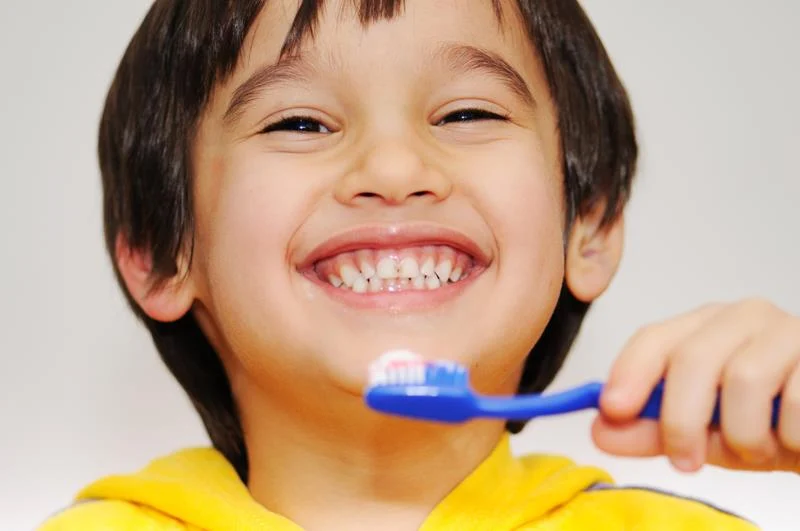
A Sweet Way to Help Protect Your Child’s Teeth
Tooth decay is one of the most common childhood health problems, and it is also one of the most preventable. At Galdiano Dentistry in Oceanside, CA , we help families find simple ways to lower their children’s cavity risk. Xylitol, a natural sweetener that harmful mouth bacteria can’t use for fuel, is one of those tools, and our team can explain how to use it safely alongside brushing, flossing, and routine checkups.
Request an AppointmentWhat Is Xylitol?
Xylitol is a naturally occurring sugar alcohol found in small amounts in many fruits and vegetables, including berries, corn, lettuce, and plums. It tastes about as sweet as table sugar, so manufacturers use it in sugar-free gum, mints, and some health foods. Unlike regular sugar, xylitol does not feed the bacteria that cause cavities. Because of this, the American Academy of Pediatric Dentistry (AAPD) recognizes xylitol as a helpful addition to a child’s cavity prevention plan, especially for children at higher risk of decay.
Xylitol is not a replacement for good daily habits. It works best as one part of a complete approach to pediatric dentistry that includes brushing, flossing, a healthy diet, and regular professional care.
How Cavities Form in Children’s Teeth
Every mouth contains bacteria. When a child eats or drinks foods high in sugar and refined carbohydrates, those bacteria feed on the leftovers and produce acid. That acid attacks tooth enamel, weakening it over time until a cavity forms. Some children are more prone to tooth decay than others because of their diet, snacking habits, saliva flow, or the natural strength of their enamel. Even children who brush regularly can still develop cavities.
Left untreated, decay can cause pain, infection, and trouble eating or speaking. Baby teeth also hold space for permanent teeth, so losing them early can affect how adult teeth come in. That’s why prevention matters from the very first tooth.
How Xylitol Helps Reduce Cavities
Xylitol supports your child’s oral health in several ways:
- Cavity-causing bacteria can’t break it down, so they produce less acid after your child eats.
- Regular exposure can lower the number of harmful bacteria that stick to teeth.
- Chewing xylitol gum or letting a xylitol mint dissolve stimulates saliva, which rinses away food particles and plaque.
- Saliva helps neutralize acid and return minerals to the enamel surface.
Research suggests the benefits come from small, frequent exposures spread throughout the day, usually after meals and snacks, rather than one large amount. Because a cup of berries contains well under a gram of xylitol, food alone rarely provides enough. Xylitol gum, mints, and other dentist-recommended products make it easier to reach a useful amount.
Using Xylitol Together With Fluoride
Xylitol and fluoride work in different ways, and they complement each other well. Fluoride helps remineralize weakened enamel and makes teeth more resistant to acid. Xylitol reduces the acid-producing bacteria in the first place. For children with a history of cavities, our dentist may recommend both, along with protective dental sealants on the chewing surfaces of the back teeth.
Age-Appropriate Ways to Give Your Child Xylitol
The right form of xylitol depends on your child’s age and development:
- Toddlers and young children should not chew gum because of the choking risk. Ask our team about age-appropriate options before introducing any xylitol product.
- School-age children who can chew gum safely may benefit from xylitol gum or mints after meals and snacks.
- Families can also use xylitol as a sugar substitute in some foods to cut down on sugar exposure.
More is not better. Giving more than the recommended amount does not add protection and can cause an upset stomach, gas, or loose stools. Our team can help you choose the right amount for your child.
Building a Cavity-Prevention Routine at Home
Xylitol works best alongside healthy everyday habits. Encourage your child to brush twice a day with fluoride toothpaste and floss once a day, and offer water instead of juice or soda between meals. A good diet with limited sugary snacks makes a big difference, and so does avoiding constant sipping from a sippy cup filled with milk or juice. You’ll find more practical tips on our how to prevent cavities page.
Regular Dental Visits Catch Problems Early
Routine cleanings and exams remove plaque and tartar that brushing misses and let our dentist spot weak areas before they turn into cavities. Low-radiation dental X-rays help us see between teeth where decay often hides. If a cavity does form, a tooth-colored composite filling can restore the tooth comfortably. If your child hasn’t seen a dentist yet, learn what to expect at their first visit, and review our payment, insurance, and financing options.
Xylitol and Cavity Prevention FAQs
Is xylitol safe for children?
Xylitol is generally considered safe for children when used in appropriate amounts. Very young children should not have gum because of the choking risk, and too much xylitol can cause stomach upset. Our dentist can help you decide which products and amounts suit your child’s age.
How much xylitol does my child need to help prevent cavities?
Studies suggest the benefit comes from several small exposures spread across the day, often after meals and snacks. The right amount depends on your child’s age and the product used, so ask our team for a recommendation instead of guessing.
At what age can my child chew xylitol gum?
Children should only chew gum once they can do so safely without swallowing it, which is usually around school age. Until then, talk with our dentist about other ways to lower your child’s cavity risk.
Can xylitol replace brushing and flossing?
No. Xylitol is a helpful extra, not a substitute. Your child still needs to brush twice a day with fluoride toothpaste, floss daily, eat a balanced diet, and visit the dentist regularly.
Do fruits and vegetables provide enough xylitol?
Fruits and vegetables like berries, corn, and lettuce contain xylitol, but only in small amounts. A cup of berries has less than one gram, so most children need xylitol gum, mints, or other products to get a meaningful amount.
Can my child use xylitol and fluoride at the same time?
Yes. Fluoride strengthens and remineralizes enamel, while xylitol reduces cavity-causing bacteria. Used together, they offer stronger protection, especially for children who have had cavities before.
Is xylitol safe to keep in a home with pets?
Xylitol is very toxic to dogs, even in small amounts. Store xylitol gum, mints, and foods well out of reach of pets, and contact a veterinarian right away if your dog eats any.
Give Your Child a Healthier, Cavity-Free Smile
Have questions about xylitol, fluoride, or your child’s risk of tooth decay? Our caring team at Galdiano Dentistry is happy to build a prevention plan that fits your family. Call us at (760) 966-0800 or request an appointment online today.