
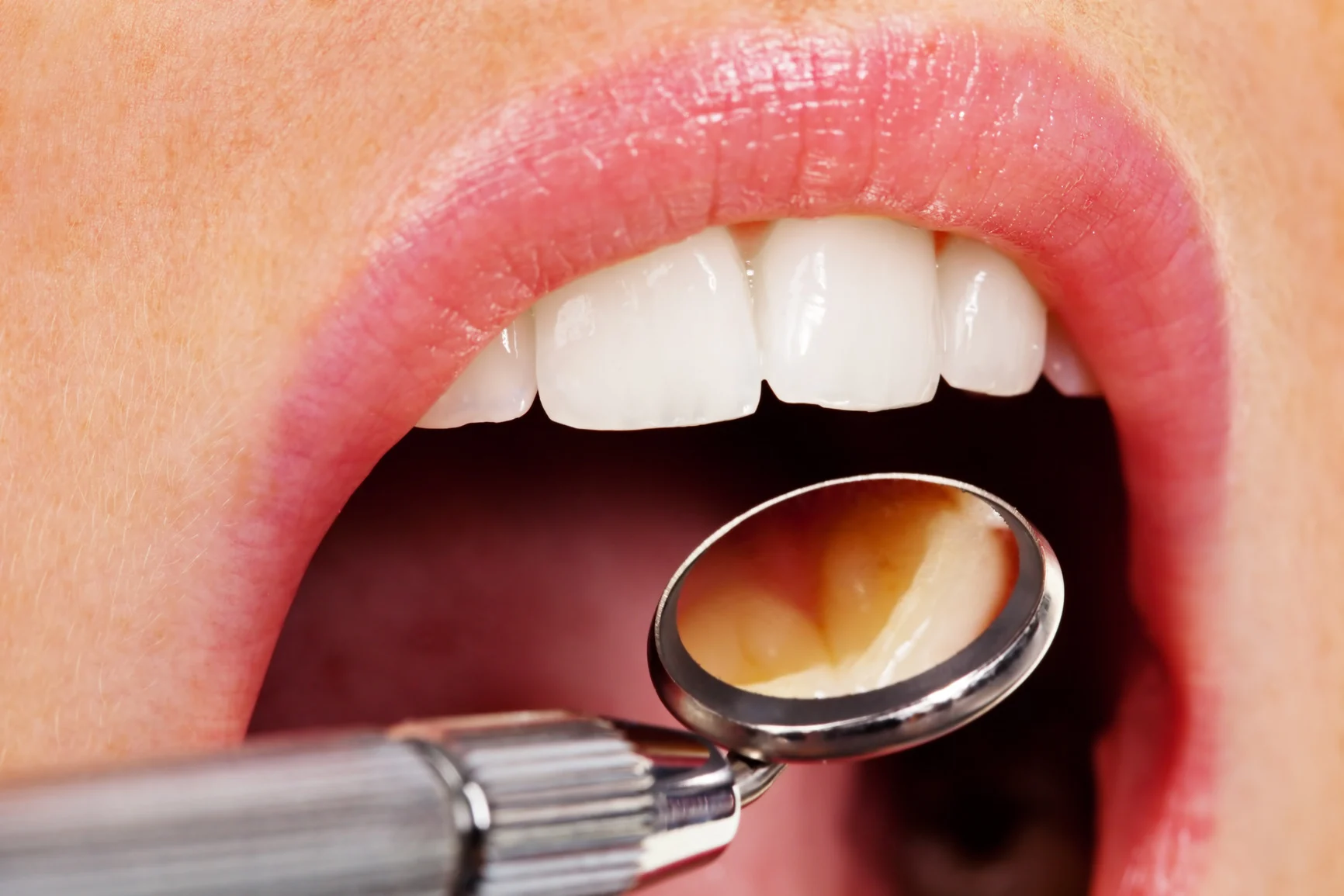
Catch Cavities Early and Keep More of Your Natural Tooth
Tooth decay rarely hurts in its early stages. By the time a cavity causes pain, it has often spread deep into the tooth. At Galdiano Dentistry in Oceanside, CA , we look for decay at every visit, explain what we find in plain terms, and treat it with the most conservative option that will protect your tooth for the long term.
Request an AppointmentWhat Is Tooth Decay?
Tooth decay is damage to the hard outer layers of a tooth caused by acid. Bacteria in dental plaque feed on sugars and starches from food and drinks, and they release acids as a byproduct. Over time, repeated acid attacks pull minerals out of the enamel. A weakened area eventually breaks down into a hole, which is what we call a cavity.
If nothing stops it, decay moves from the enamel into the softer dentin underneath and then toward the pulp, where the tooth’s nerve and blood supply sit. Each stage needs more involved treatment, so finding decay early makes a real difference.
Common Signs of Tooth Decay
Early decay may not cause any symptoms. As it progresses, you might notice:
- Sensitivity to sweets, hot drinks or cold foods
- White, brown or black spots on the tooth surface
- A visible hole or pit in a tooth
- Food catching in the same spot between teeth
- Pain when biting down
- A toothache that lingers or wakes you at night
- Bad breath or a bad taste that does not go away
Sensitivity can have other causes as well. Our page on tooth sensitivity covers the most common ones.
What Raises Your Risk for Cavities?
Anyone with natural teeth can get cavities, but some factors make decay more likely:
- Frequent snacking or sipping sugary drinks, coffee with sugar, sports drinks or soda
- Skipping brushing or flossing, especially before bed
- Dry mouth from medications, mouth breathing or certain health conditions
- Deep grooves on the chewing surfaces of the back teeth
- Receding gums that expose softer root surfaces
- Worn or leaking fillings and crowns
- Acid reflux or frequent vomiting
How We Find Decay
During your cleaning and exam, we check each tooth for soft spots, discoloration and wear around existing restorations. Many cavities form between teeth where they cannot be seen in a mirror, so we use digital X-rays to spot decay hidden below the surface. Digital imaging uses less radiation than traditional film, and we can show you the images on screen so you see exactly what we see.
Treatment Options for Tooth Decay
The right treatment depends on how far the decay has spread.
- Early enamel weakness: Before a true cavity forms, professional fluoride treatments and better home care can help the enamel remineralize.
- Small to moderate cavities: We remove the decay and restore the tooth with tooth-colored composite fillings that blend in with your smile.
- Larger areas of decay: When too much tooth is lost for a filling, inlays and onlays or a porcelain crown restore strength and shape.
- Decay that reaches the nerve: Root canal therapy removes infected pulp so the tooth can be saved and then protected with a crown.
- Teeth that cannot be saved: If a tooth is too badly damaged, we may recommend an extraction and talk with you about replacement options such as dental implants.
If decay has already caused a severe toothache, swelling or a broken tooth, see our dental emergencies page and call us at (760) 966-0800.
How to Prevent Tooth Decay
Most cavities can be prevented with simple daily habits and regular checkups:
- Brush twice a day for two minutes with fluoride toothpaste.
- Clean between your teeth once a day with floss or interdental brushes.
- Limit how often you snack and sip on sugary or acidic drinks.
- Drink water through the day, especially after meals.
- Chew sugar-free gum with xylitol to help reduce cavity-causing bacteria.
- Ask about dental sealants to protect the deep grooves on back teeth.
- Keep up with professional cleanings and exams so problems are caught while they are small.
Parents can find more tips for kids on our how to prevent cavities page.
Care That Fits Your Budget
Treating decay early is almost always simpler and more affordable than waiting. Our team will explain your options and costs before any treatment begins. Visit our payment, insurance and financing page to learn how we can help, or browse other conditions we treat.
Tooth Decay FAQs
Can a cavity heal on its own?
Very early enamel weakness can sometimes be reversed with fluoride and good home care. Once a cavity has formed a hole in the tooth, it cannot heal on its own and needs to be treated by a dentist.
Does getting a filling hurt?
Most patients feel little more than slight pressure. We numb the area thoroughly before we begin, and we check in with you throughout the visit. If you feel anxious about dental care, let us know so we can help you feel more comfortable.
How do I know if I have a cavity if nothing hurts?
Many cavities cause no pain at first. Regular exams and digital X-rays let us find decay between teeth and under existing fillings before it becomes painful.
What happens if I wait to treat a cavity?
Decay keeps spreading deeper into the tooth. A cavity that could have been fixed with a small filling may later need a crown, a root canal or even an extraction.
Can I get cavities under an old filling or crown?
Yes. Fillings and crowns can wear or develop small gaps at the edges where bacteria get in. We check your existing restorations at every exam and replace them if decay has formed underneath.
Are children more likely to get cavities?
Children are prone to cavities because baby teeth have thinner enamel and kids are still learning to brush well. Fluoride, sealants, healthy snacks and regular checkups help protect their teeth.
How often should I see the dentist to prevent decay?
Most people should have a cleaning and exam every six months. If you have a higher risk for cavities, we may recommend more frequent visits.
Stop Decay Before It Spreads
Whether you have a sensitive spot, a visible hole or it has simply been a while since your last checkup, our team at Galdiano Dentistry can find the problem and fix it while treatment is still simple. Call (760) 966-0800 or request your visit online today.