
Stop the Toothache and Keep Your Natural Tooth
When decay or an injury reaches the nerve inside a tooth, the pain can be constant and the infection can spread into your gums and jaw. At Galdiano Dentistry, root canal therapy in Oceanside, CA removes the damaged nerve, clears out the infection and seals the tooth so it can keep working for years to come. Most patients feel relief as soon as the treatment is finished. If you are dealing with a throbbing ache, swelling or lingering sensitivity, call (760) 966-0800 and we will find the cause.
Request an AppointmentWhat Is a Root Canal?
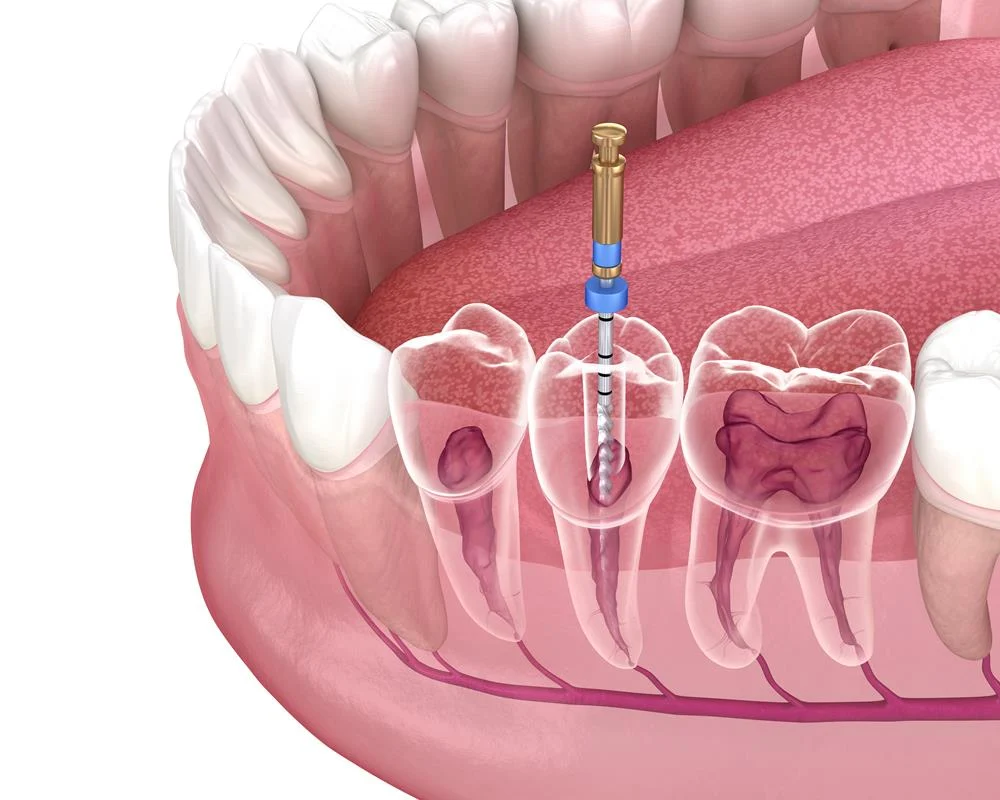
Each tooth has a soft core called the pulp, which holds the nerve and blood vessels. When deep tooth decay, a crack or a blow to the mouth lets bacteria into the pulp, the tissue becomes inflamed or dies. A root canal is the treatment that cleans out that damaged tissue, disinfects the canals inside the roots and seals them off to keep new bacteria out. The goal is simple: get rid of the infection and save the tooth instead of pulling it.
Root canal therapy is part of our endodontic care, the branch of dentistry that focuses on the inside of the tooth. Left untreated, an infected nerve can lead to an abscess, bone loss around the root and swelling that spreads into the face. Treating it early protects your comfort and your overall health.
Signs You May Need Root Canal Therapy
Some infected teeth hurt a great deal, while others cause few symptoms until an X-ray reveals the problem. Common warning signs include:
- A deep, throbbing toothache that comes and goes or keeps you up at night
- Pain when chewing or putting pressure on a tooth
- Sensitivity to hot or cold that lingers after the food or drink is gone
- Swollen or tender gums near one tooth, or a pimple-like bump on the gums
- A tooth that has turned gray or darker than the teeth around it
- A cracked or chipped tooth, or a tooth that was hit during a fall or sports injury
If you have sudden, severe pain or facial swelling, treat it as urgent. Our dental emergency care and emergency exams help you get answers quickly.
How Root Canal Treatment Works at Our Office
Your visit starts with a careful exam and digital X-rays, which let us see the shape of the roots and the extent of the infection with less radiation than traditional film. From there, treatment follows a clear set of steps:
- Numbing: We thoroughly numb the tooth and surrounding area so you stay comfortable throughout.
- Access: A small opening is made in the top of the tooth to reach the pulp chamber.
- Cleaning: The infected or dead nerve tissue is removed, and the canals are shaped and disinfected.
- Sealing: The clean canals are filled with a biocompatible material and sealed to block reinfection.
- Restoring: A filling closes the opening, and most back teeth then receive a crown to protect them from breaking.
For most patients, the procedure feels much like getting a filling. If you feel nervous about dental work, let us know ahead of time. We offer a calm, unhurried approach for patients with dental anxiety and fear.
Protecting the Tooth After Treatment
A tooth that has had a root canal no longer has a living nerve, so it can become more brittle over time. A custom porcelain crown or a metal-free Emax restoration covers and strengthens the tooth so you can chew normally again. Until your final restoration is placed, avoid biting hard foods on that side.
Mild soreness for a few days after treatment is normal and usually eases with over-the-counter pain relievers. Keep brushing and flossing as usual, and keep up with routine cleanings and exams so we can monitor how the tooth is healing.
Root Canal or Extraction?
Keeping your natural tooth is almost always the better choice when it can be saved. It preserves your bite, keeps nearby teeth from shifting and protects the jawbone. When a tooth is too damaged to restore, an extraction followed by a dental implant may be the best path forward. We will walk you through both options honestly so you can decide with confidence.
Cost and Insurance
Root canal therapy is often partially covered by dental insurance. Our team will review your benefits with you before treatment and explain your out-of-pocket costs. You can learn more about our payment, insurance and financing options.
Root Canal Therapy FAQs
Does a root canal hurt?
With modern techniques and good local anesthesia, a root canal usually feels similar to getting a filling. Most patients find the procedure relieves the pain the infection was causing. Some tenderness for a few days afterward is normal.
How long does root canal treatment take?
Many root canals are finished in one visit of about one to two hours. Teeth with several roots or a more advanced infection may need a second appointment. The crown is usually placed at a later visit.
Do I need a crown after a root canal?
Most back teeth need a crown after a root canal because they handle heavy chewing forces and can crack without protection. Front teeth sometimes only need a filling. We will recommend the right restoration for your tooth.
What happens if I don’t get a root canal?
The infection will not heal on its own. It can spread into the bone, form an abscess and cause swelling and severe pain. Eventually the tooth may need to be pulled.
Can a tooth that’s already had a root canal get infected again?
It is uncommon, but a treated tooth can become reinfected if the seal breaks down, new decay forms or the tooth cracks. In many cases retreatment can clean and reseal the canals to save the tooth.
Can I go back to work after a root canal?
Most people return to normal activities the same day. Your mouth may stay numb for a few hours, so wait until the feeling returns before eating, and chew on the other side until your final restoration is placed.
Is a root canal better than pulling the tooth?
Saving your natural tooth is usually the better long-term choice. It keeps your bite stable and protects the jawbone, and it often costs less than extracting the tooth and replacing it with an implant or bridge.
Get Relief From Tooth Pain Today
Tooth pain rarely goes away on its own, and waiting can turn a treatable infection into a lost tooth. The team at Galdiano Dentistry will find the source of your discomfort and explain your options clearly. Call (760) 966-0800 or request your visit online.