
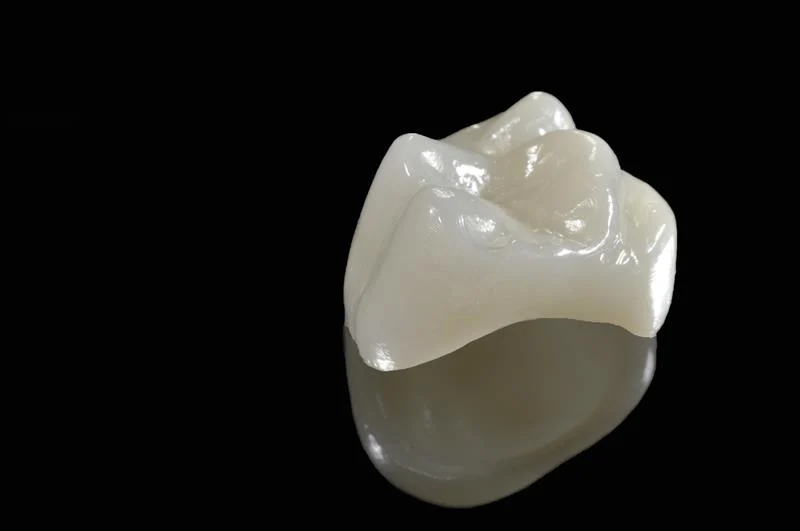
Rebuild Strength in Teeth Weakened by Decay or Damage
When a tooth has lost too much structure to hold a filling, a porcelain crown can bring it back to full function. At Galdiano Dentistry in Oceanside, CA , we use custom porcelain crowns to protect cracked, heavily filled and badly decayed teeth so you can bite, chew and speak comfortably again, often while keeping the natural tooth instead of removing it.
Request an AppointmentHow a Crown Restores a Damaged Tooth
A porcelain crown is a tooth-shaped cap that covers the entire visible part of a tooth above the gumline. Think of it as a protective shell. It holds a weakened tooth together, spreads biting pressure across the whole surface and seals the tooth against new bacteria. As part of our restorative dentistry care, crowns are one of the most dependable ways to save a tooth that would otherwise keep breaking down.
Porcelain also matches the color and translucency of natural enamel. Its first job on this page, though, is repair. If your main goal is changing the shape, color or symmetry of your smile, you can read about crowns as a smile makeover option on our cosmetic porcelain crowns page.
When a Filling Is No Longer Enough
Small and moderate cavities can usually be repaired with composite fillings. As damage grows, the remaining tooth walls get thin and are more likely to fracture under everyday chewing. We may recommend a crown when:
- Decay has spread across a large part of the tooth (learn more about tooth decay)
- A tooth already has several large or failing fillings
- A tooth is cracked, chipped or split, as described on our cracked tooth page
- A back tooth has had root canal treatment and needs protection from fracture
- Teeth are worn down from grinding or clenching, a condition called bruxism
- A tooth needs to anchor a fixed bridge
- A dental implant needs a visible replacement tooth on top
If enough healthy tooth remains, a more conservative partial restoration such as an inlay or onlay may be the better choice. We will explain which option keeps the most of your natural tooth.
Choosing the Right Type of Porcelain
There are several kinds of porcelain crowns, and the right one depends on where the tooth sits and how much force it handles. All-ceramic materials such as Emax restorations offer a metal-free option with a natural look. Teeth that take heavy chewing forces may call for a stronger ceramic or a porcelain-fused-to-metal design. Your dentist will review the options with you so the crown fits both your bite and your expectations.

What to Expect During Treatment
Most restorative crowns are completed over two visits. At the first appointment, we examine the tooth, take X-rays, numb the area and remove any decay or weak structure. The tooth is then shaped so the crown can fit over it, impressions are taken and a temporary crown is placed. When your permanent porcelain crown is ready, we check the fit, color and bite before bonding it into place. If a tooth sits too low at the gumline to hold a crown securely, crown lengthening may be recommended first.
Protecting Your Crown for the Long Term
A crown cannot get a cavity, but the natural tooth underneath it can, especially along the edge where the crown meets the gum. Brush twice a day, floss around the crown every day and keep up with regular cleanings and exams so we can check the margins and your bite. If you grind your teeth at night, a night guard helps protect both your crown and your other teeth. Avoid chewing ice, pens or very hard candy, which can chip porcelain just as they chip natural enamel.
If a crown ever comes loose, cracks or causes sudden pain, call us at (760) 966-0800. Our dental emergencies page explains what to do until you can be seen. For questions about coverage and payment options, visit our payment, insurance and financing page.
Restorative Crown Questions From Our Patients
How do I know if I need a crown instead of a filling?
It depends on how much healthy tooth is left. If decay or a fracture has removed a large portion of the tooth, a filling may not have enough support and the tooth could break. After an exam and X-rays, your dentist will tell you whether a filling, an onlay or a full crown is the safest way to restore it.
Do I need a crown after a root canal?
Back teeth that have had root canal treatment usually need a crown. These teeth often have lost structure from decay and the access opening, which makes them more likely to crack under chewing pressure. A crown covers and protects the tooth so the root canal treatment lasts.
Is getting a crown painful?
The tooth is fully numbed before we begin, so most patients feel pressure rather than pain. Some mild sensitivity or gum tenderness for a few days afterward is normal and usually eases with over-the-counter pain relief.
How should I care for my temporary crown?
Chew on the other side when you can, avoid sticky or very hard foods, and slide floss out to the side instead of pulling it up. If your temporary crown comes off, call our office so we can recement it and protect the tooth until your permanent crown is ready.
Can a tooth with a crown still get decay?
Yes. The porcelain itself does not decay, but the natural tooth underneath can, usually at the edge near the gumline. Daily brushing and flossing plus routine checkups help keep the tooth under your crown healthy.
How long does a restorative porcelain crown last?
With good home care and regular dental visits, porcelain crowns often last many years. Grinding, chewing hard objects and gum disease can shorten their life, so we check your crowns at every exam.
Will my insurance help pay for a crown?
Many dental plans cover part of the cost when a crown is needed to restore a damaged tooth. Our team can review your benefits with you before treatment and talk through payment and financing options.
Save Your Tooth Before the Damage Spreads
A cracked, worn or heavily filled tooth rarely gets better on its own. Restoring it early with a porcelain crown can help you avoid a root canal or extraction later. Call Galdiano Dentistry at (760) 966-0800 or request a visit online to find out whether a crown is right for you.