
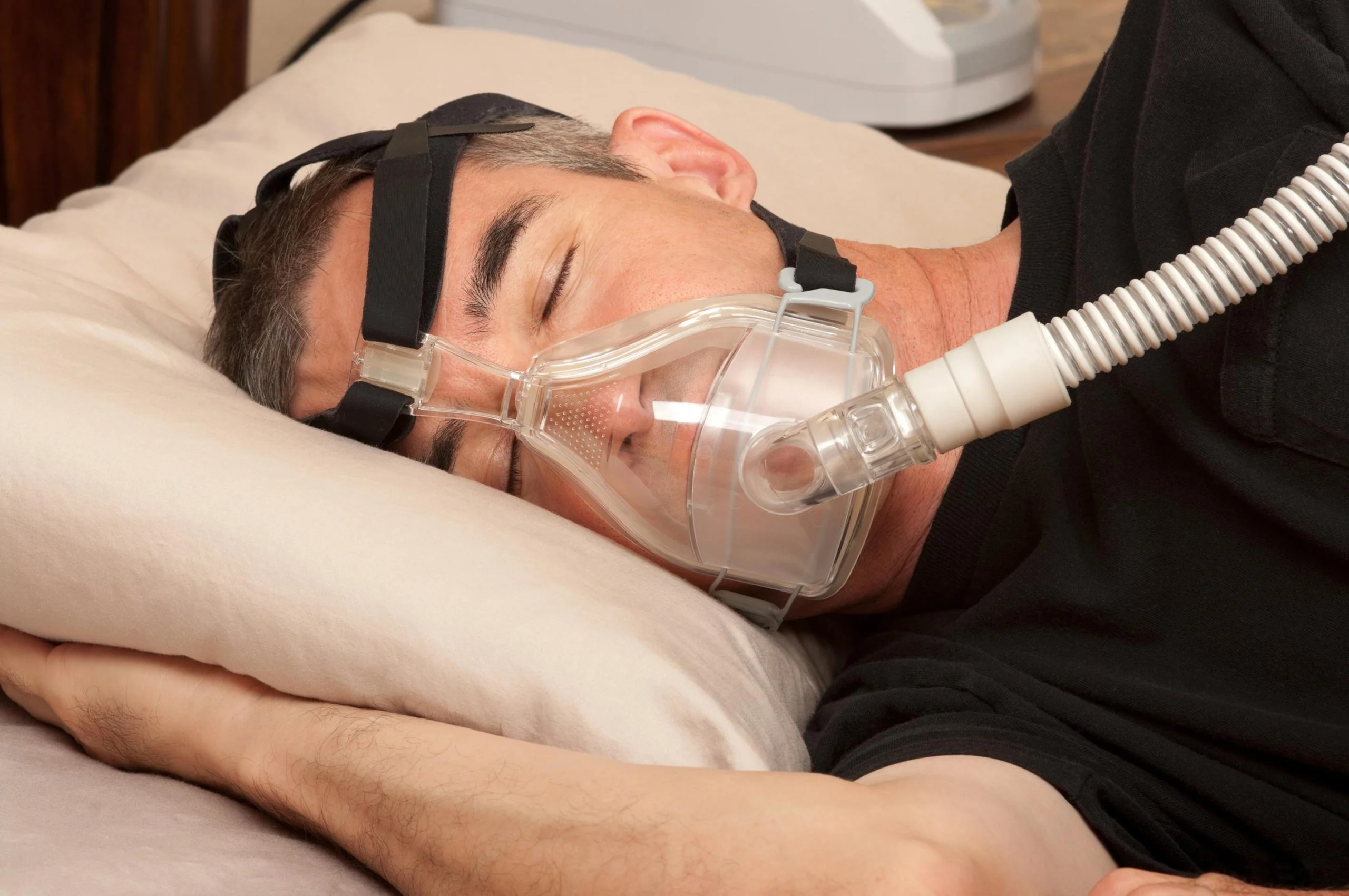
Wake Up Rested Instead of Worn Out
People with sleep apnea rarely get the rest they need. Their breathing stops and starts through the night, which wakes them again and again, often without them noticing. Over time this can affect energy, mood, focus, blood pressure and overall health. At Galdiano Dentistry in Oceanside, CA , we help patients spot the warning signs. When it is a good fit, we provide custom oral appliance therapy that keeps the airway open so you can sleep through the night.
Request an AppointmentWhat Is Sleep Apnea?
Sleep apnea is a sleep-related breathing disorder. Breathing repeatedly pauses or becomes very shallow while you sleep. The most common form is obstructive sleep apnea (OSA). In OSA, the soft tissues at the back of the throat relax and collapse during sleep. The tongue and jaw can also fall back and narrow the airway. Each time airflow drops, the brain briefly wakes the body to restart breathing. This can happen dozens or even hundreds of times a night, so deep, restorative sleep never has a chance to happen.
Because dentists look closely at the mouth, jaw and throat at every cleaning and exam, we are often among the first to notice the physical signs of a narrowed airway. Sleep apnea is one of the conditions we treat as part of our oral and maxillofacial surgery services.
Common Signs and Symptoms
- Loud, frequent snoring
- Gasping, choking or pauses in breathing that a bed partner notices
- Waking up tired even after a full night in bed
- Morning headaches or a dry mouth and sore throat
- Daytime sleepiness, irritability or trouble concentrating
- Waking often during the night or needing to use the restroom
- Teeth grinding or clenching during sleep
Constant exhaustion affects people at home and at work. Many people with untreated sleep apnea feel miserable and struggle to concentrate. Sleep apnea is also linked to high blood pressure and a higher risk of stroke and heart problems. It raises the risk of complications with anesthesia, because the airway is already prone to collapsing. Getting it addressed protects much more than a good night’s sleep.
The Connection Between Sleep Apnea and Your Teeth and Jaw
Sleep apnea and oral health are closely related. Many patients who grind their teeth at night have an underlying airway problem. The body pushes the jaw forward to open the airway, which leads to bruxism, worn enamel and even a cracked tooth. Jaw strain from nighttime clenching can also contribute to joint pain that may need TMJ treatment. Mouth breathing during sleep dries out the mouth. Less saliva increases the risk of tooth decay, gum problems and bad breath.
How Oral Appliance Therapy Works
For many people with mild to moderate obstructive sleep apnea, and for those who cannot tolerate a CPAP machine, a custom oral appliance is a comfortable, quiet option. The appliance looks similar to a sports guard or retainer. It gently holds the lower jaw slightly forward while you sleep, which keeps the tongue and soft tissues from blocking the airway.
- Screening and evaluation: We review your symptoms, sleep habits and medical history, and examine your teeth, jaw, tongue and airway.
- Coordination with your physician: Sleep apnea is diagnosed with a sleep study. We work with your doctor so your treatment plan matches your diagnosis.
- Custom fitting: We take precise impressions so your appliance fits your bite comfortably. A store-bought mouth guard does not do this, and it is not designed to reposition the jaw.
- Follow-up and adjustment: We fine-tune the appliance over time for comfort and effectiveness, and check your teeth and jaw at regular visits.
Oral appliances are small, easy to travel with and need no electricity or hoses. Many patients find they actually wear them every night, and that is what makes treatment work.
Sleep Apnea in Children
Children can have sleep-disordered breathing too, often related to jaw growth or enlarged tonsils and adenoids. Snoring, restless sleep, mouth breathing and daytime behavior problems can all be clues. Our pediatric dentistry team watches jaw development closely. In some cases, early orthodontic treatment can help guide healthy growth.
Getting Started
If you or your partner have noticed loud snoring or breathing pauses, or you never feel rested, schedule an evaluation with our team. New patients can learn what to expect on your first visit, and our payment, insurance and financing page explains your options. If dental visits make you nervous, we also offer support for dental anxiety and fear.
Sleep Apnea Questions We Hear Often
Can a dentist treat sleep apnea?
Yes. A physician diagnoses sleep apnea with a sleep study, but dentists can screen for it and provide custom oral appliance therapy. This is a recognized treatment for many patients with mild to moderate obstructive sleep apnea and for people who cannot tolerate CPAP. We coordinate with your physician so your care fits your diagnosis.
Is snoring always a sign of sleep apnea?
No. Not everyone who snores has sleep apnea. However, loud snoring combined with gasping, choking, breathing pauses or daytime exhaustion is a strong warning sign that you should be evaluated.
How does an oral appliance help me breathe at night?
The custom appliance gently holds your lower jaw slightly forward while you sleep. This keeps the tongue and soft tissues at the back of the throat from collapsing into the airway, so air can flow more freely and you wake up less often.
Is an oral appliance an alternative to CPAP?
For many patients, yes. Oral appliances are quiet, compact and easy to travel with, so some people find them easier to use every night than a CPAP machine. Your physician and our team will help decide which option is best for the severity of your sleep apnea.
Can sleep apnea damage my teeth?
It can. Many people with sleep apnea grind or clench their teeth at night, which wears down enamel and can crack teeth or strain the jaw joint. Mouth breathing also dries the mouth, which raises the risk of cavities and gum problems.
Why is sleep apnea a concern with anesthesia?
People with sleep apnea already have an airway that tends to collapse. Sedation and anesthesia relax those tissues even more, which raises the risk of breathing problems. Let us know if you have been diagnosed or suspect you have sleep apnea, so we can plan your dental care safely.
How do I get started with sleep apnea treatment in Oceanside?
Call Galdiano Dentistry at (760) 966-0800 or request an appointment online. We will review your symptoms, examine your mouth and airway, and talk through the next steps toward better sleep.
Take the First Step Toward Better Sleep
You don’t have to keep waking up exhausted. Our team at Galdiano Dentistry will look at your symptoms, your bite and your airway. Together we will find a comfortable way to help you breathe easier at night. Call (760) 966-0800 or request your visit online today.