
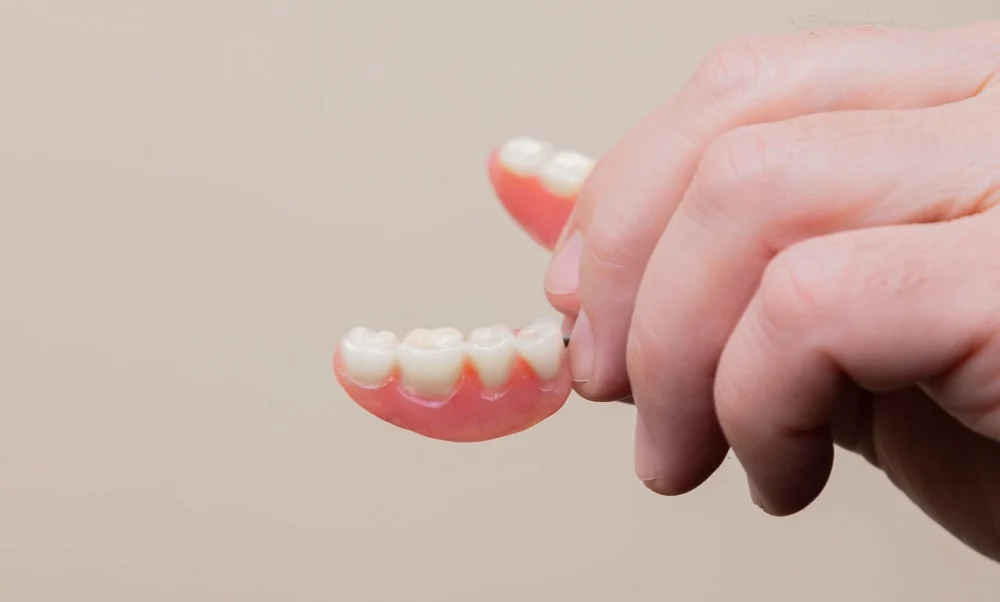
Rebuilding Your Smile After Gum Disease Has Taken Teeth
Periodontal disease is one of the most common reasons adults lose teeth. Once the infection is under control, the gaps it leaves still affect chewing, speech, and the stability of the teeth that remain. At Galdiano Dentistry in Oceanside, CA , we design removable partial dentures with your gum health in mind. Each partial is planned around healed, stable tissue so it fills the space, supports your bite, and helps protect the periodontal work you have already invested in.
Request an AppointmentWhy Tooth Replacement Matters for Periodontal Patients
When gum disease destroys the bone and ligaments that hold a tooth, the tooth can loosen and eventually be lost. Leaving that space open puts extra strain on the teeth beside it. Those teeth often already have weakened support. They can drift, tip into the gap, or take on more biting force than they can handle. Over time this shifting creates new pockets where plaque collects, and the cycle of periodontal (gum) disease can start again.
A well-designed partial denture spreads chewing forces across the gums and remaining teeth. It also holds neighboring teeth in position and restores a balanced bite. For patients in our periodontal services program, that stability is a big part of keeping the rest of the smile healthy.
Healthy Gums Come First
A partial denture rests on your gum tissue and is anchored to your natural teeth with clasps or attachments. It can only be as stable as the foundation beneath it. Before we take impressions, we make sure active infection is resolved. This process usually includes:
- A full periodontal diagnosis with pocket measurements and digital X-rays to check bone levels
- Scaling and root planing or other periodontal treatment to clear bacteria below the gumline
- Time for the gums to heal and firm up so the fit stays accurate after delivery
- An evaluation of which remaining teeth are strong enough to serve as anchors
If gum tissue has pulled away from the teeth that will hold the clasps, we may first address gum recession. If ridge bone has thinned, we may recommend bone grafting so the partial has a better base.
Designing a Partial That Is Kind to Your Gums
Partials for periodontal patients need a few extra considerations. We plan the framework to keep pressure off tender tissue and to leave clear paths for cleaning around each anchor tooth. We place clasps where they grip securely without forcing a weakened tooth to rock. The gum-colored base is shaped to sit evenly so it does not create sore spots or trap food along the gumline. Before the final partial is made, you try it in so we can check comfort, bite, and appearance and adjust anything that does not feel right.
Protecting Your Results Over the Long Term
Plaque collects on a partial just as it does on natural teeth, and the clasped teeth are especially vulnerable. Take your partial out daily to clean it. Brush and floss the anchor teeth carefully, and give your gums a few hours without the appliance, such as overnight. Regular periodontal maintenance visits let us check pocket depths, clean areas you cannot reach at home, and reline or adjust the partial as your gums change.
Other Options to Consider
A removable partial is a conservative, budget-friendly choice, but it is not the only one. Depending on your bone and gum health, dental implants or fixed bridges may also be options. For a general overview of how partials are made and fitted, see our restorative denture partials page. You can also learn more about missing teeth and how each solution compares. Our team will explain the trade-offs and review your payment, insurance, and financing options so you can choose with confidence.
Partial Dentures and Gum Health: Common Questions
Can I get a partial denture if I have gum disease?
Yes, but active gum disease needs to be treated first. Once the infection is under control and the tissue has healed, we can design a partial that fits accurately and does not trap bacteria against inflamed gums.
Will clasps damage my remaining teeth?
When a partial is planned carefully and the anchor teeth are kept clean, clasps should not harm them. We choose anchor teeth with enough bone support and position the clasps to distribute force evenly. Regular checkups let us catch and correct any problems early.
How long should I wait after periodontal treatment to get a partial?
Most patients need several weeks for the gums to shrink and firm up after deep cleaning or gum surgery. If teeth were extracted, healing may take longer. We confirm the tissue is stable before taking final impressions so the fit lasts.
Can a partial denture make gum disease worse?
A poorly fitting or poorly cleaned partial can collect plaque and irritate the gums. A well-fitted partial that you remove and clean daily, combined with periodontal maintenance visits, actually helps protect your gums by keeping teeth from shifting.
What if my gums change shape after I get my partial?
Gums and bone naturally change over time, especially after tooth loss. If your partial starts to feel loose or causes sore spots, we can reline or adjust it so it rests evenly on your tissue again.
Should I sleep with my partial denture in?
We usually recommend taking your partial out at night. This gives your gums time to rest and get oxygen, and it lets you clean both the appliance and your natural teeth thoroughly.
Is a partial denture or an implant better after gum disease?
It depends on your bone levels, gum stability, overall health, and budget. Implants need enough healthy bone and excellent home care, while a partial is less invasive and more affordable. We will review both options with you during your consultation.
Restore Your Bite and Protect Your Gums
Missing teeth after gum disease do not have to be permanent. Call Galdiano Dentistry at (760) 966-0800 or request a visit online. We will check your periodontal health and plan a partial denture that fits comfortably and helps keep the rest of your smile stable.