A Permanent Root Replacement Placed With Surgical Care
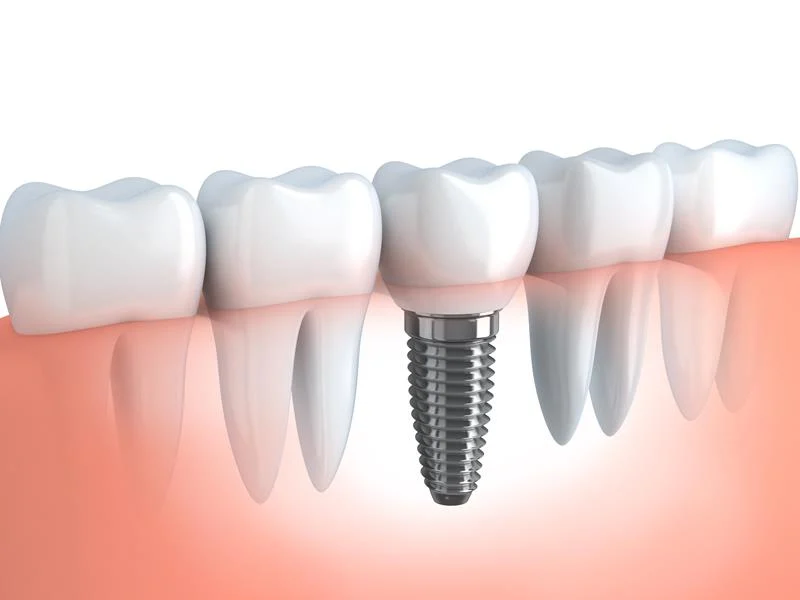
A dental implant starts with a minor surgical procedure. A small titanium post is placed in the jawbone so it can act as a new tooth root. At Galdiano Dentistry in Oceanside, CA, we plan each implant placement carefully. We look at bone health, gum tissue and the position of nearby nerves and sinuses, so the post fuses well and supports your new tooth for many years.
Request an AppointmentThe Surgical Side of Dental Implants
Most people picture the finished crown when they think about implants. The long-term success of that crown, though, depends on what happens below the gumline. Implant placement is one of the core procedures in our oral and maxillofacial surgery services. It calls for careful planning, a clean surgical site and close attention while you heal. When the post fuses well with the jawbone, it gives you a stable base that won’t slip, click or shift the way a removable appliance can.
Implants are one of the most reliable ways to treat missing teeth. A tooth may be lost to decay, injury or gum disease, or it may never have developed. In each case, replacing the root as well as the visible tooth helps keep the jaw strong and the rest of your bite in place.
Planning Your Implant Surgery
Every placement begins with a thorough exam. We use digital X-rays to check bone height and density and to map the spacing between teeth. We also look for anything that could affect healing. Active periodontal (gum) disease needs to be under control before surgery. We also review your medical history and any medications you take. This planning stage lets us choose the right implant size, angle and position for your mouth.
Preparing the Site: Extractions and Bone Grafting
Sometimes a damaged tooth is still in place. If so, the first step is a gentle tooth extraction, done in a way that protects as much surrounding bone as possible. When a tooth has been missing for a while, the jawbone often shrinks. Bone grafting can rebuild that area so it is thick and strong enough to hold an implant. A graft may be placed at the time of extraction or as a separate step before the implant goes in.
Placing the Implant Post
On the day of surgery, the area is fully numbed. A small opening is made in the gum tissue and a precise channel is prepared in the bone. The implant post is then set into place, and the gums are closed over or around it. For a single implant, the visit is usually shorter than many patients expect. If you feel nervous about any surgical procedure, let us know. Our team regularly helps patients with dental anxiety and fear, and we will talk you through comfort options before we begin.
Healing and Osseointegration
Over the next few months, the bone grows around the implant and bonds with its surface. This process is called osseointegration. It is what makes an implant feel and function like a natural root. During this time you may wear a temporary tooth, and we will check in to make sure the site is healing well. Once the implant is stable, a small connector called an abutment is attached, and your custom restoration can be made.
Options for Every Situation
Not every patient needs the same approach. People with limited bone or narrow spaces may be good candidates for mini dental implants, which use a slimmer post and are often used to stabilize lower dentures. Several implants can also anchor a full arch, turning loose dentures or partial dentures into a secure, fixed solution. For a closer look at the crowns, bridges and dentures that attach to implants once healing is complete, see our prosthodontic dental implant page.
Getting Started
If you are new to our office, our first visit guide explains what to expect at your consultation. You can also learn about payment plans and insurance on our payment, insurance and financing page, or meet the people who will care for you on our team page.
Questions About Dental Implant Surgery
Does dental implant surgery hurt?
The area is fully numbed during the procedure, so most patients feel pressure rather than pain. Afterward, mild soreness and swelling are common for a few days. This is usually managed with over-the-counter pain relievers and cold compresses.
How long does it take for an implant to heal?
Healing time varies from person to person. In most cases, the bone needs a few months to fuse fully with the implant post. If a bone graft is needed first, the overall timeline is longer. We will give you a personal estimate after your exam.
What if I don’t have enough jawbone for an implant?
Bone loss is common after a tooth has been missing for some time. A bone graft can often rebuild the area so an implant can be placed. Mini dental implants may also be an option when bone is limited.
Can an implant be placed right after a tooth is extracted?
Sometimes. If the bone and gum tissue are healthy enough, an implant may be placed at the same visit as the extraction. In other cases, the site needs to heal or be grafted first. Your X-rays and exam help us decide which approach is safest.
Who is a good candidate for implant surgery?
Most healthy adults who are missing one or more teeth can be considered. Good candidates have healthy gums and enough bone, or can have bone rebuilt. Uncontrolled diabetes, heavy smoking and active gum disease can affect healing, so we review your health history carefully.
What should I eat after implant surgery?
Stick with soft, cool foods such as yogurt, smoothies, eggs, mashed potatoes and soup for the first several days. Avoid chewing directly on the surgical site. Skip straws, very hot foods and crunchy snacks until we tell you it is safe.
Does smoking affect dental implants?
Yes. Smoking reduces blood flow to the gums and bone, which can slow healing and raise the risk of implant failure. Stopping before surgery and during the healing period gives your implant the best chance of success.
Take the First Step Toward a Secure, Lasting Smile
A well-planned implant surgery is the foundation for a replacement tooth that looks, feels and works like your own. Call Galdiano Dentistry at (760) 966-0800 or request a consultation online. We will check your bone and gum health and map out a treatment plan that fits your needs.