
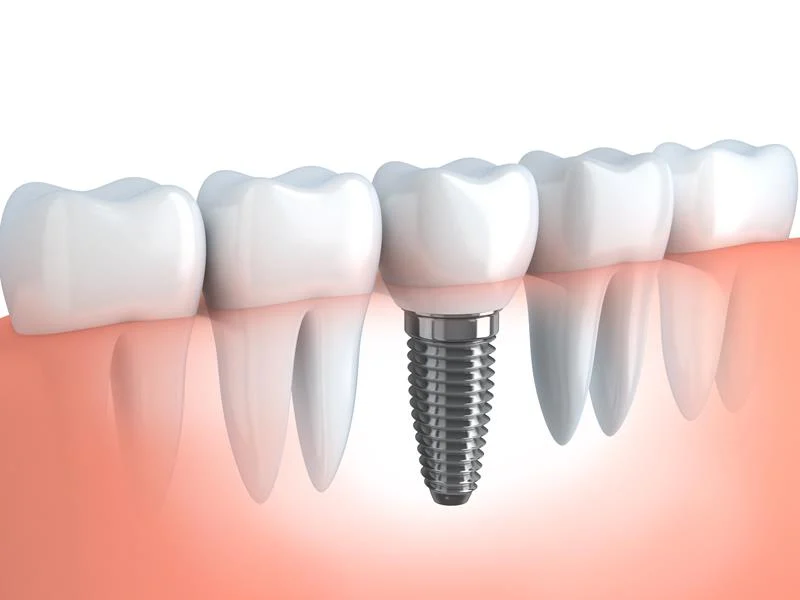
Rebuild Missing Teeth From the Root Up
A missing tooth affects more than your smile. It changes how you chew and how your bite lines up, and it can slowly change the bone that supports your other teeth. At Galdiano Dentistry in Oceanside, CA , we use dental implants as a restorative tool. We anchor a replacement tooth, bridge or denture to a post that works like a natural root, so you can eat, speak and smile without the slipping or gaps that come with many traditional options. If you are ready to bring back full function to your mouth, call (760) 966-0800 to schedule a consultation.
Request an AppointmentWhy Implants Belong in a Restorative Treatment Plan
Restorative dentistry focuses on returning damaged or missing teeth to healthy, everyday function. Implants fit that goal well because they replace the whole tooth, root included. Many other options only replace the part you can see. A traditional fixed bridge rests on the neighboring teeth. A removable denture partial clips onto them. An implant stands on its own. Your healthy teeth stay untouched, and your jawbone gets the stimulation it needs to keep its shape.
When we plan an implant restoration, we look at your whole mouth, not just the empty space. We check the teeth around the gap, how your upper and lower teeth meet, the health of your gums, and the amount of bone available. Digital X-rays show us what is happening below the gumline. With that information, we can recommend the restoration that will last and feel right for you.
The Three Parts of an Implant Restoration
Every implant restoration has three pieces that work together:
- The implant post: a small titanium or ceramic post set into the jawbone. Over a few months, the bone bonds to it and creates a stable foundation. You can learn more about the placement step on our oral surgery implant page.
- The abutment: a connector that attaches to the post and rises just above the gumline to hold the final restoration.
- The restoration: the crown, bridge or denture you see and chew with, custom made to match your bite and the color of your natural teeth.
Restoration Options Built on Implants
The type of restoration depends on how many teeth you are missing and what you want from your smile.
- Single implant crown: One implant supports one porcelain crown. It is a good choice when a single tooth is lost to injury, decay or a failed root canal.
- Implant-supported bridge: Two implants can carry a bridge that replaces three or more teeth in a row. Natural teeth do not need to be shaped to hold it.
- Implant-retained denture: A full or partial denture snaps onto implants for a secure fit that stays put when you eat and talk. For patients with limited bone, mini dental implants can sometimes provide that stability.
If you wear a removable appliance today, ask us whether implants could stabilize it. Many patients who come to us for dentures find that a few implants make a big difference in comfort and confidence.
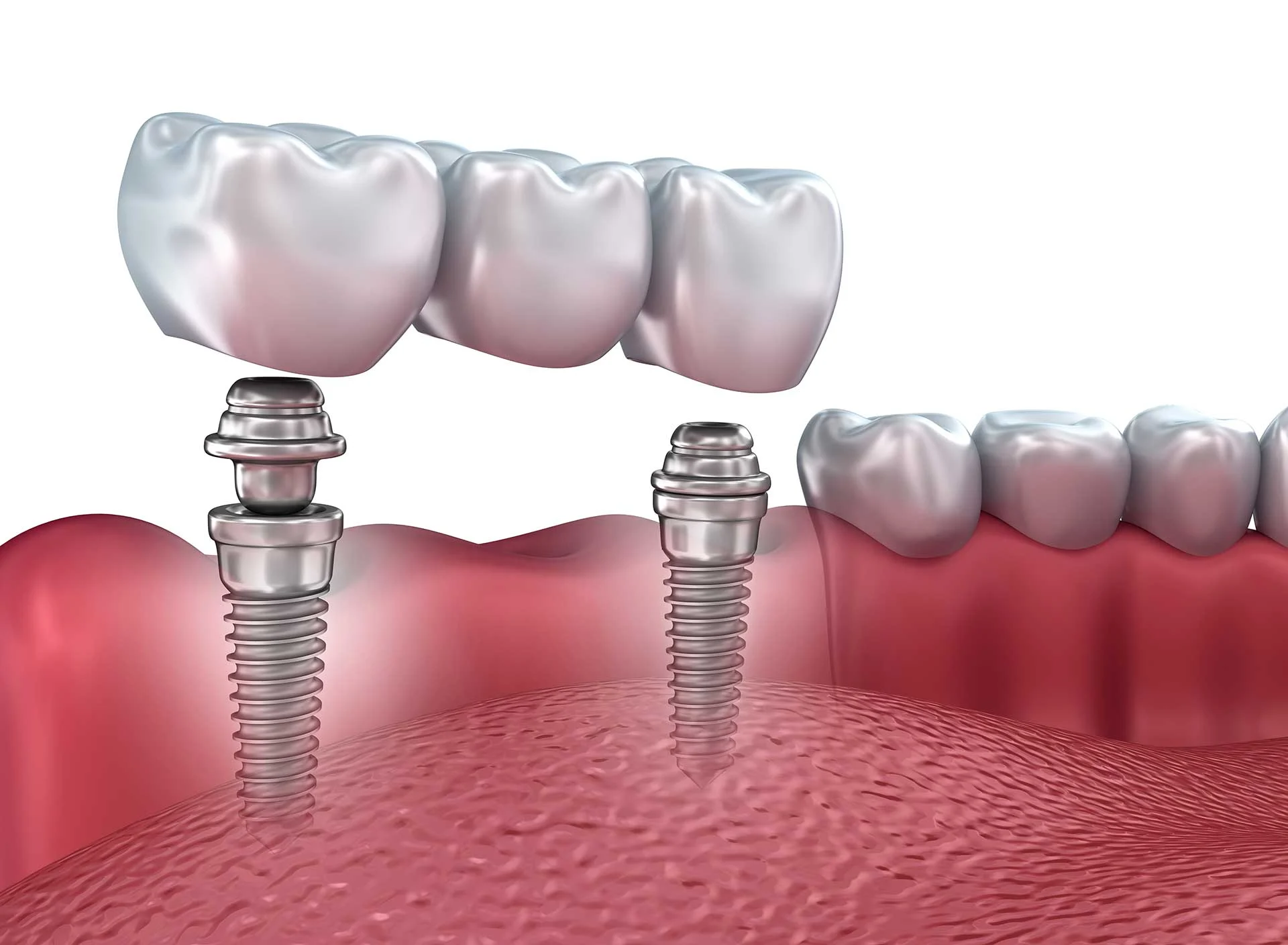
Preparing Your Mouth for a Lasting Result
A strong restoration needs a healthy foundation. Sometimes a damaged tooth must come out first, and we handle that with a gentle extraction. If the bone has thinned after a long-term gap, bone grafting can rebuild the area so the implant has enough support. We also treat active gum problems before placement, since healthy gums help protect your implant for years to come.
Once the implant has bonded with the bone, we take impressions and design a restoration shaped and shaded to blend in with your smile. Patients interested in the appearance side of treatment can read about implants on our cosmetic dentistry page.
Keeping Your Implant Restoration Healthy
Implants cannot get cavities, but the gums and bone around them still need care. Brush twice a day, floss or use a water flosser around the abutment, and keep your regular visits. Routine periodontal maintenance helps us spot inflammation early, before it can affect the bone holding your implant. If you grind your teeth at night, we may suggest a night guard to protect both your restoration and your natural teeth.
Not sure where to begin? Our missing teeth page explains why replacing a lost tooth sooner rather than later matters. Our payment, insurance and financing page covers ways to fit treatment into your budget.
Questions About Implant Restorations
What part of the implant does a restorative dentist handle?
Restorative care covers the parts you see and use every day. That includes the abutment and the crown, bridge or denture attached to the implant. We design these pieces to match your bite, your gum line and the shade of your natural teeth so the result looks and works like a real tooth.
Can one implant replace more than one tooth?
A single implant usually supports one crown. However, two implants can often support a bridge that replaces three or four teeth. Four to six implants can hold a full arch of teeth or anchor a denture, which keeps the number of implants needed lower than one per tooth.
Can my current denture be attached to implants?
In some cases, yes. If your denture fits well and is in good condition, it may be possible to modify it so it snaps onto implants. If it is worn or poorly fitting, a new implant-retained denture is often the better choice. We will examine it and let you know which option makes sense.
How long does an implant crown last?
The implant post itself can last for decades with good care. The crown on top takes the daily wear of chewing and may need replacing after many years, much like any crown. Good home care, regular checkups and a night guard if you grind your teeth all help it last longer.
Is an implant better than a bridge for one missing tooth?
Both can work well. An implant does not require shaping the neighboring teeth and helps preserve the jawbone, so it is often the preferred option when the bone and gums are healthy. A bridge can be a faster choice for some patients. We review the pros and cons of each during your visit.
How do I clean around an implant restoration?
Brush twice a day with a soft toothbrush and clean around the base of the implant every day with floss, interdental brushes or a water flosser. Keep your regular cleanings so we can check the gums and bone around the implant and remove buildup you cannot reach at home.
Will insurance help pay for an implant restoration?
Coverage varies by plan. Some dental plans pay for part of the crown, bridge or denture even if they do not cover the implant post. Our team can review your benefits with you and explain payment and financing options before treatment begins.
Get Back to Eating, Smiling and Speaking With Confidence
A missing tooth does not have to stay missing. Whether you need a single implant crown or a secure implant-retained denture, our team will build a restoration plan around your mouth, your goals and your budget. Call Galdiano Dentistry at (760) 966-0800 or request an appointment online to start your consultation.